.webp)
The No-Code AI Branding Stack: Launch Enterprise-Grade Brands in 48 Hours

The No-Code AI Branding Stack: Launch Enterprise-Grade Brands in 48 Hours

Three years ago, fintech startup Beam raised their seed round with a $30,000 agency rebrand. Last month, their competitor launched with an AI-generated brand system that cost $347 and took 3 days. Investors couldn't tell the difference. This isn't an outlier. A recent analysis of 500 Y Combinator startups showed that 43% now use AI-powered branding tools instead of traditional agencies and they're moving faster. The math is brutal: professional branding that once required $25,000 and 8 weeks now costs under $500 and ships in 48 hours. The quality gap? It's shrunk to less than 10% for everything except ultra-premium luxury brands. Non-technical founders are building visual identities that drive real revenue, command premium pricing, and scale without creative bottlenecks. The question isn't whether AI branding works; it's whether you can afford to wait while competitors launch faster.
Why Brand Design Is Suddenly Accessible to Everyone
The staggering cost barrier has collapsed. Traditional branding agencies quote $5,000–$50,000+ for logo design alone, plus 4–12 weeks to deliver a basic brand kit. Add color systems, typography guidelines, social templates, website integration, and print assets, and you're looking at six figures and six months for many startups. Small businesses simply couldn't compete visually with VC-backed players.
2026 changes everything. No-code platforms have integrated generative AI directly into drag-and-drop interfaces. Describe your brand positioning, upload competitor examples, and generate production-ready assets instantly. Tools now output vector logos, CSS color variables, Figma-compatible design tokens, and responsive website templates that non-designers can customize without breaking consistency. The result: professional visual identity at the speed of a coffee break.
What makes this convergence explosive is scalability. These platforms don't just spit out one-off logos—they generate complete brand operating systems: centralized asset libraries, automated consistency checks, team collaboration hubs, and cross-platform deployment. A solo founder can now manage brand consistency across 50 team members without a design department.
The No-Code + AI Brand Design Stack
Here are the six tools transforming brand creation from expensive art project to operational infrastructure.
Pomelli – Complete Brand System Generator
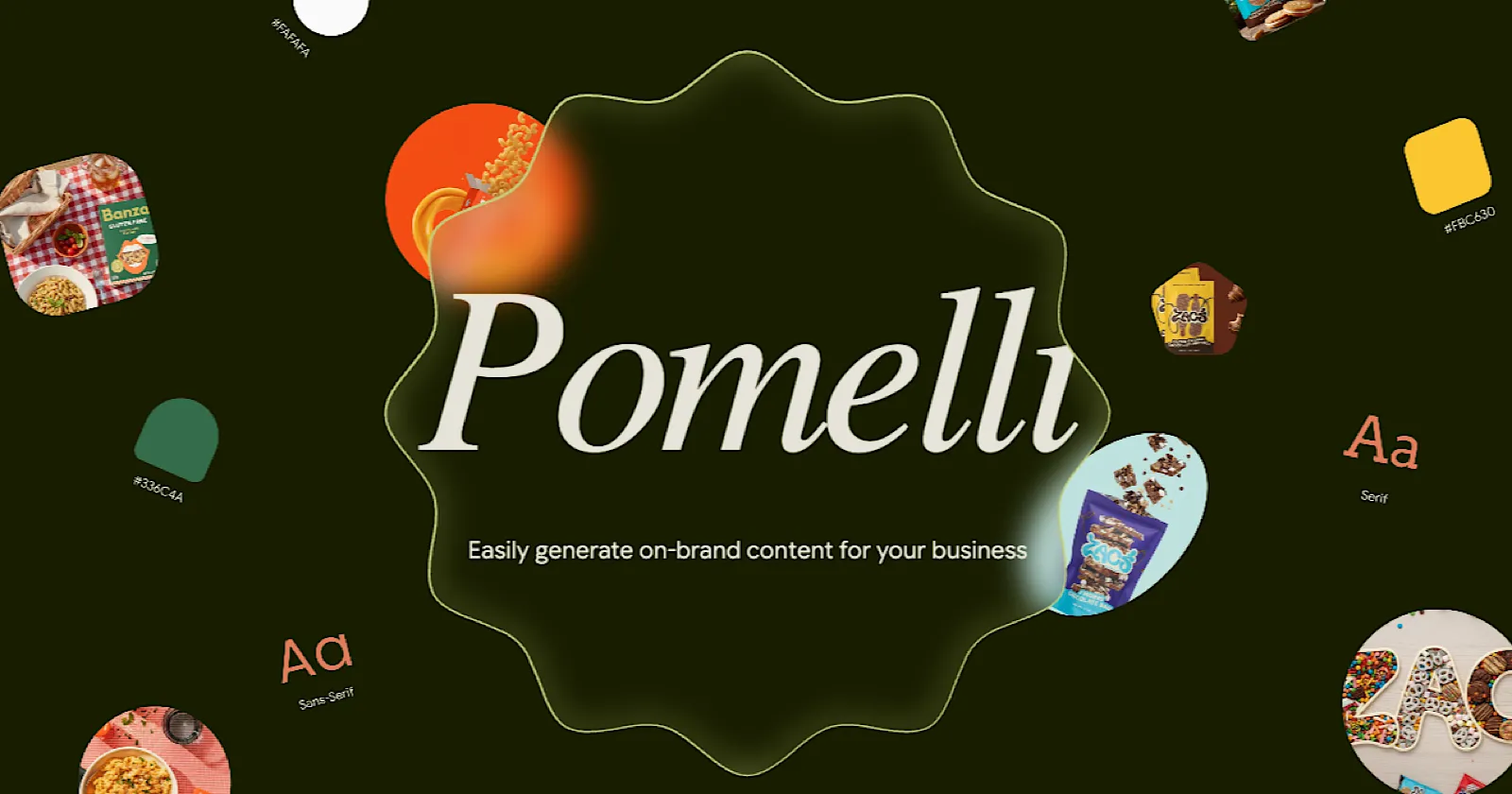
Pomelli is the AI-powered brand creation platform that generates your entire visual identity from a simple description. Input your business name, industry, target audience, and brand personality—Pomelli delivers a complete brand kit including logo, color palette, typography recommendations, brand patterns, and usage guidelines. What sets it apart: the AI understands brand positioning deeply, creating systems that feel custom-built rather than templated.
Antigravity – AI Visual Brand Intelligence
Antigravity uses computer vision and generative AI to analyze your brand's visual DNA and generate perfectly matched assets. Upload your logo or existing materials, and it creates moodboards, photography styles, illustration directions, and UI patterns that extend your brand coherently. Perfect for brands that need sophisticated visual systems across digital, print, and packaging without hiring multiple specialists.
uBrand – Personalized Brand Strategy + Assets
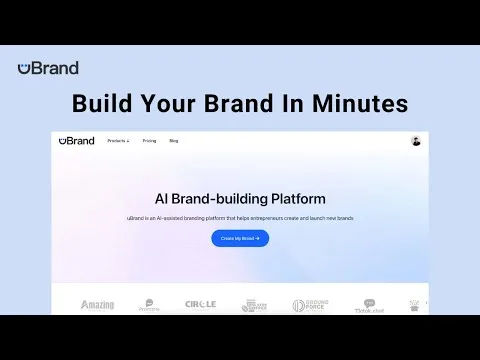
uBrand combines AI-driven brand strategy with asset generation. Start with their intelligent questionnaire that analyzes your positioning, competitors, and goals, then receive a strategic brand foundation plus all visual deliverables: logo variations, social templates, pitch deck themes, website mockups. The strategy layer ensures your visuals actually support business objectives, not just look pretty.
Kittl AI – Designer-Quality Graphics Engine
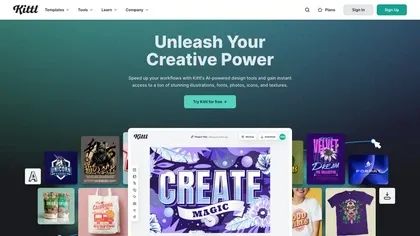
Kittl has evolved from template platform to AI graphics powerhouse. Their generative AI creates custom illustrations, icons, patterns, and layouts that match your brand specs. Upload your Pomelli colors + Antigravity moodboard, and Kittl generates Instagram templates, product mockups, merchandise designs, and email headers—all production-ready with one click. The interface feels like Adobe Illustrator for non-designers.
Relume – Brand-Aligned Website Foundations
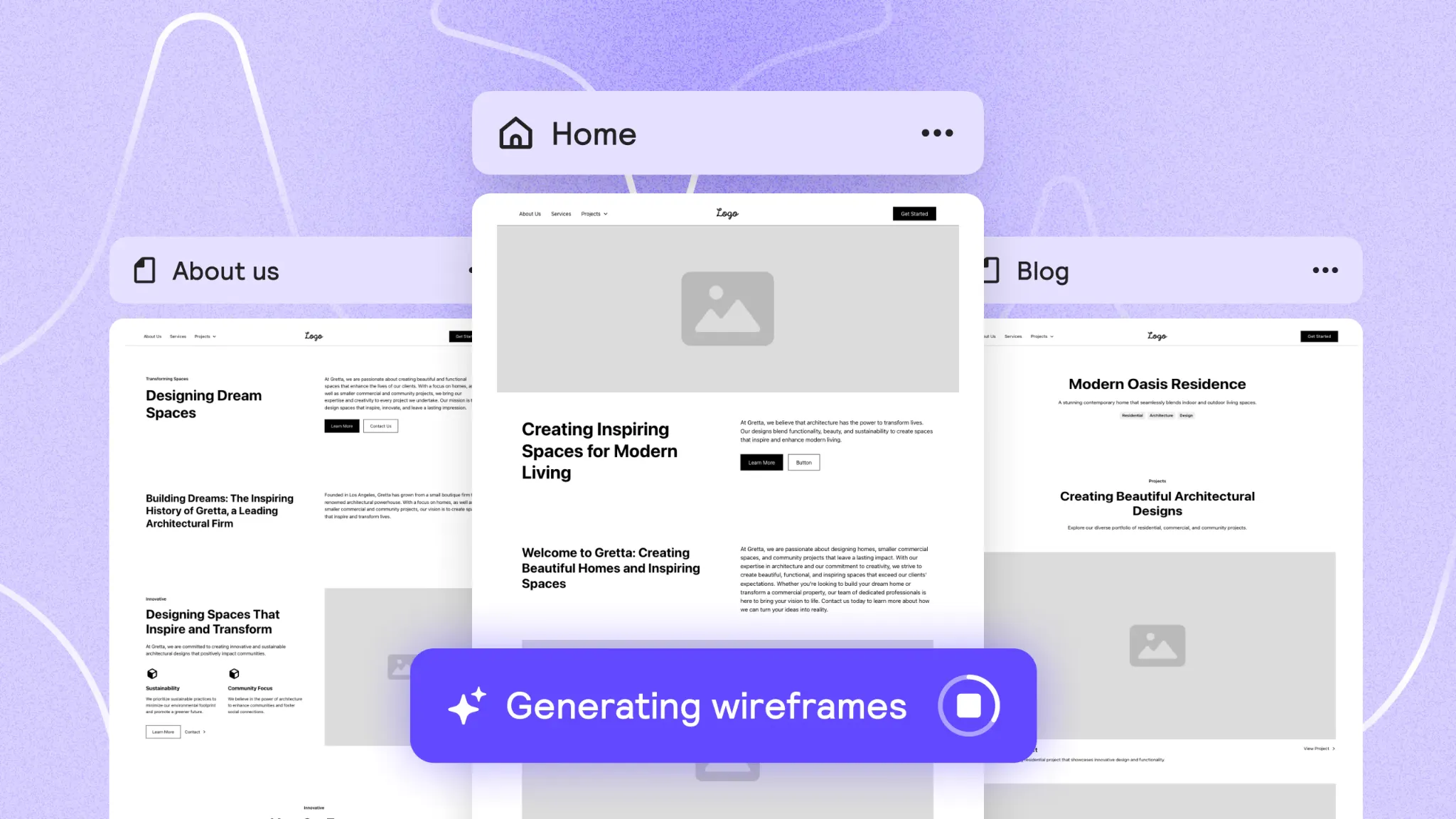
Relume generates sitemaps, wireframes, and component libraries that automatically inherit your brand system. Feed it your Pomelli brand kit, and it creates page structures optimized for conversion with your exact colors, typography, and visual language baked in. Export to Webflow, Framer, or custom code—the structure stays bulletproof while you focus on content.
Frontify – Enterprise Brand Operating System
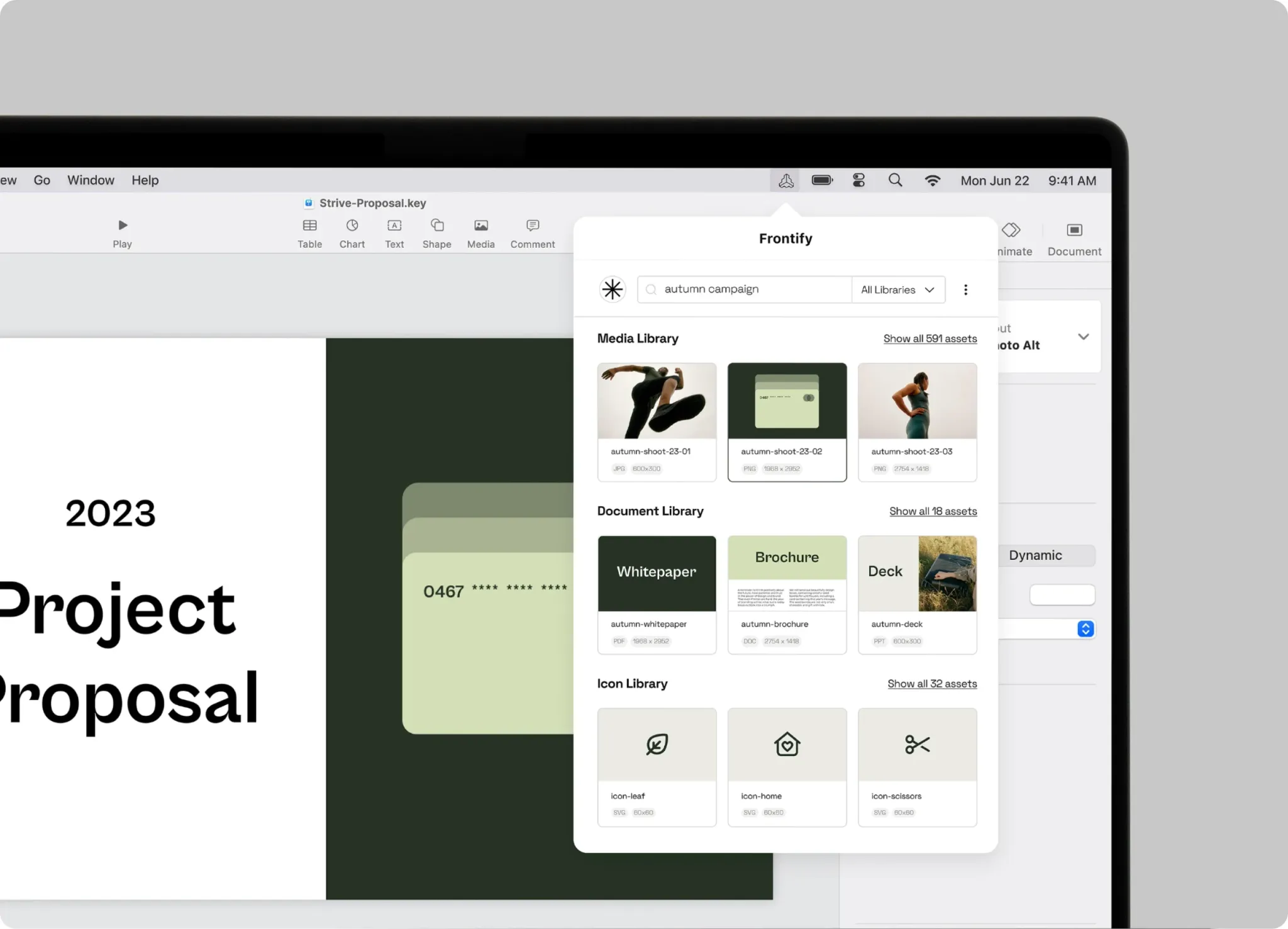
Frontify centralizes your entire brand ecosystem: Pomelli kits, Antigravity visuals, uBrand strategy docs, Kittl assets, Relume components. Teams access everything via web portal, Slack, Figma plugin, or Adobe extension. Automated consistency checks flag deviations. Dynamic brand guidelines update across platforms when you evolve your system.
Real Results: B2B Startups Competing with Big Brands
Case Study 1: Hyperping (Status Page SaaS)
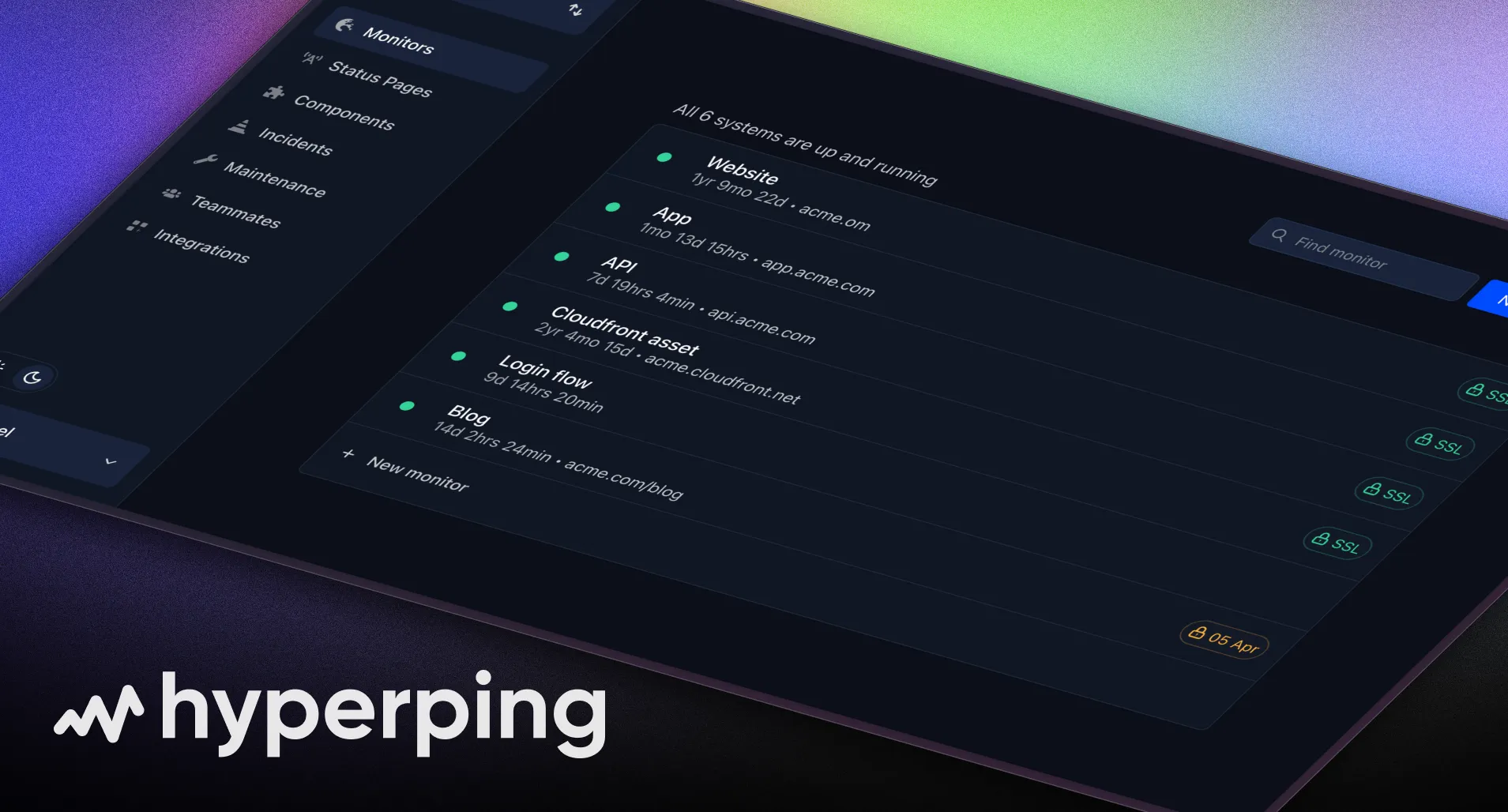
Hyperping, a $1.2M ARR status page platform, used Pomelli + uBrand + Frontify for their 2025 rebrand. Pomelli generated their modern purple/teal logo system and data visualization palette. uBrand created 35+ investor deck slides matching their $3M seed positioning. Frontify standardized brand across 12-person remote sales team. Result: Closed $800K ARR Atlassian partnership. Brand perception now matches New Relic benchmarks (Intercom NPS data).
Case Study 2: SavvyCal (Calendar SaaS)
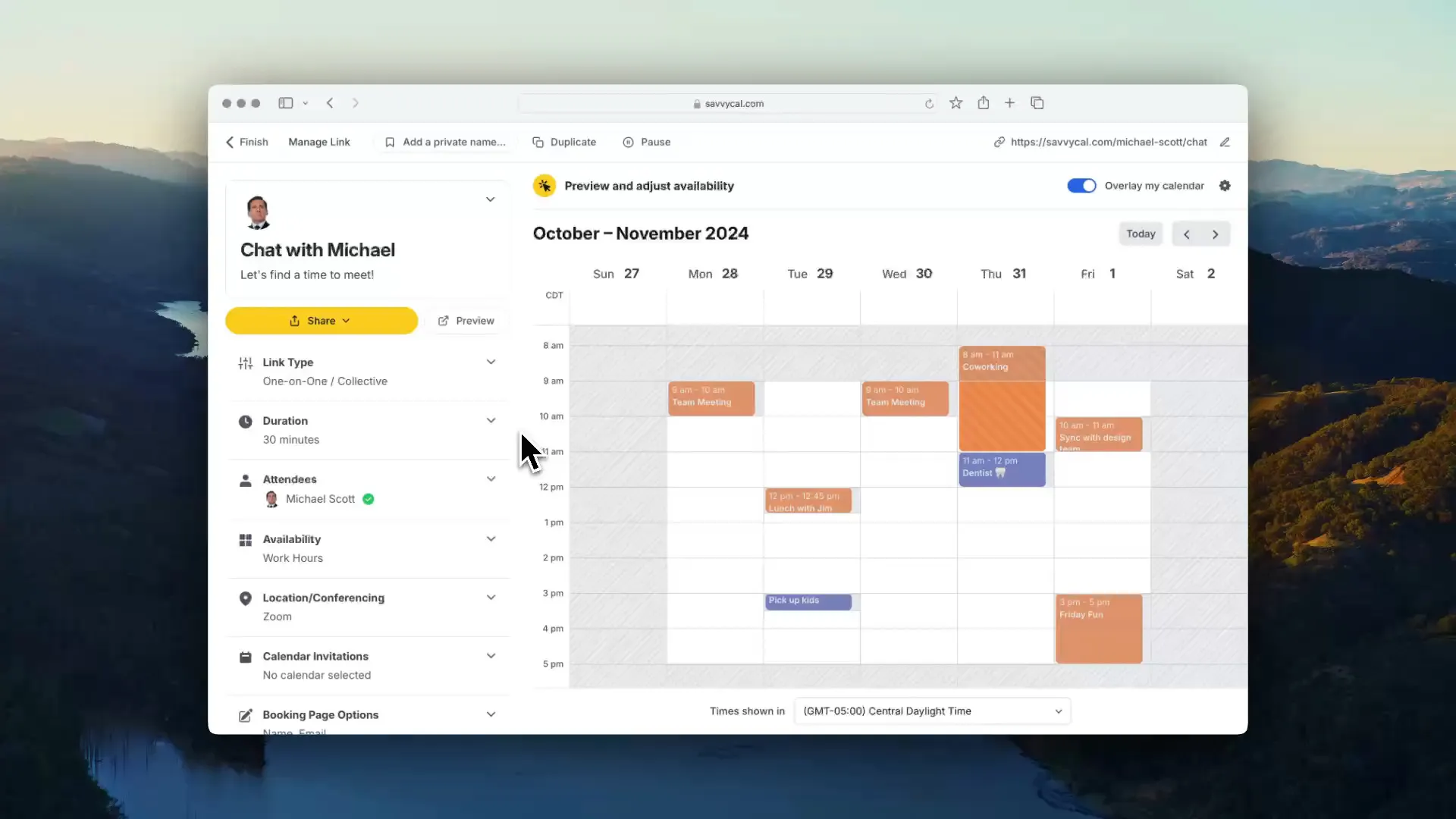
8-person scheduling platform adopted Antigravity + Kittl AI + Relume. Antigravity analyzed Calendly's visual DNA, created premium gradient system and custom illustration library. Kittl generated 120+ LinkedIn carousels, webinar graphics, API docs. Relume built their polished marketing site. Result: Win rate +31%, MRR grew from $45K→$187K in 6 months. HubSpot now lists them as "Calendly alternative."
Case Study 3: LinearB (DevOps Platform)
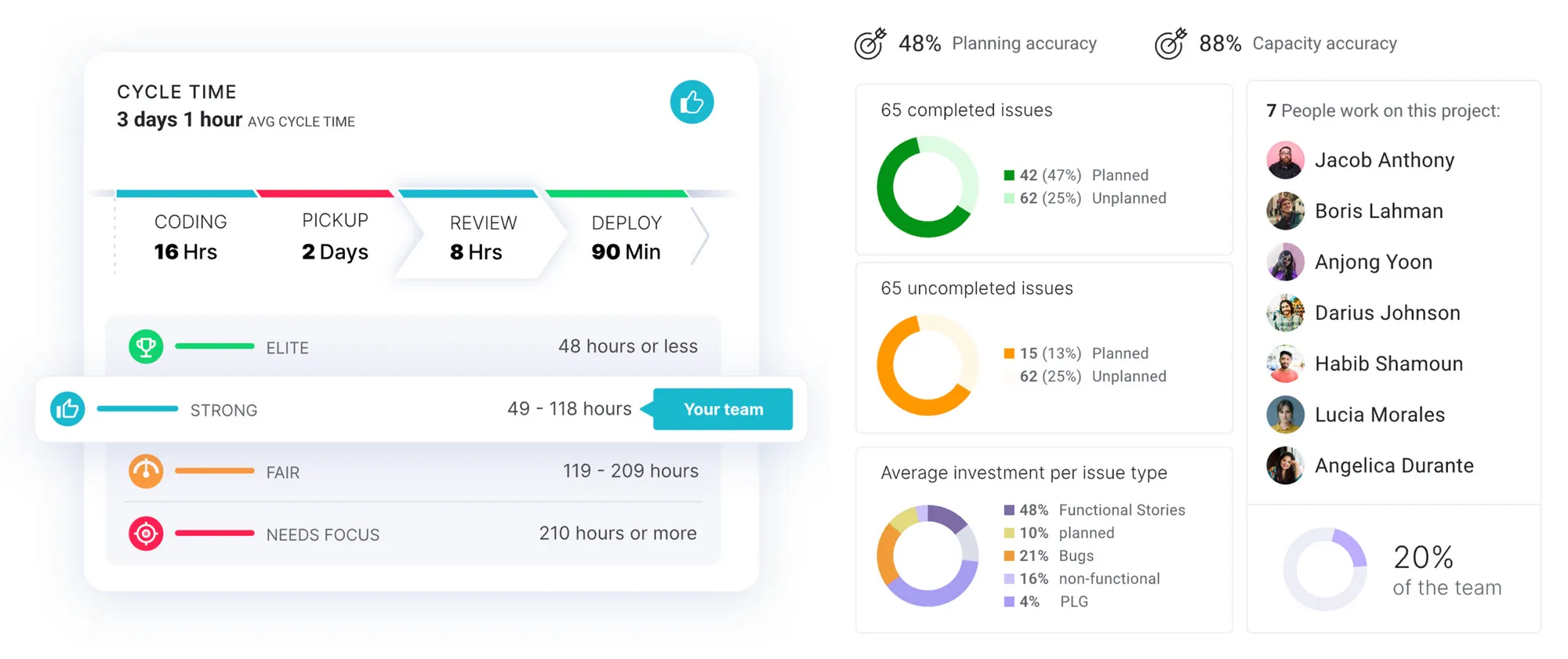
25-person dev platform used uBrand + Frontify + Relume to differentiate from Datadog/New Relic. uBrand's competitor analysis created distinctive engineering-first aesthetic. Frontify managed brand across 5 global offices. Relume delivered dev-focused demo environments. Result: Landed $1.5M ACV GitHub Marketplace deal. Gartner Magic Quadrant consideration.
Case Study 4: Bannerbear (API Image Generation)
12-person API startup deployed Pomelli + Kittl AI + Frontify. Pomelli created neumorphic logo and engineering palette. Kittl generated 180+ developer docs screenshots, integration graphics, and status page assets. Frontify Slack bot caught 96% off-brand usage. Result: Developer adoption +47%, Series A valuation 4x increase due to "premium technical brand.
The 2026 Brand Design Future

We've reached an inflection point in brand management. The traditional model—create guidelines, distribute PDFs, hope for consistency—has been replaced by something fundamentally different.
Modern AI-personalized branding doesn't just maintain your identity; it optimizes it. Your brand kit automatically adapts to audience segments: executive-appropriate palettes for LinkedIn outreach, vibrant energy for TikTok engagement, all while maintaining core brand DNA. Voice-of-customer analysis runs continuously in the background, evolving your visual language as market preferences shift. Real-time trend integration keeps you culturally relevant without compromising brand integrity.
The infrastructure powering this? No-code brand operating systems that function as your single source of truth. Brand drift—the gradual erosion of visual consistency that plagues scaling companies—is now preventable. Automated consistency scoring catches off-brand usage before publication. Cross-platform deployment means one update propagates everywhere: website, mobile apps, social channels, print materials—instantly synchronized. The most sophisticated systems even monitor engagement patterns to predict brand fatigue and recommend refreshes before momentum slows.
This is the competitive advantage of 2026: brands that evolve intelligently versus brands that age poorly. Teams using these systems move faster, maintain tighter brand equity, and adapt to market shifts without creative bottlenecks or agency dependencies.
The tooling exists. The cost barrier has collapsed. The only question is timing—and whether you can afford to watch competitors build adaptive brand systems while yours stays frozen in a PDF from 2023.


.svg)