.webp)
Why Strategic Agencies Beat Design Studios

Why Strategic Agencies Beat Design Studios

Beautiful design doesn't move the needle. Your SaaS onboarding looks slick, but activation rates stay stuck at 12%. Traditional studios deliver craft. Strategic creative agencies deliver business growth. They don't just make things pretty; they make businesses grow faster.
Here's why the best teams partner with strategic agencies like Pentagram, and how you can spot the difference.
What Makes Strategic Agencies Different?

Strategic creative agencies fuse deep design craft with business strategy, customer research, and multi-channel execution. They own outcomes, not just deliverables.
Traditional design studios?
They excel at visual execution: logos, websites, packaging. But they often treat strategy as a client homework assignment or skip it entirely.
The gap:
- Studios: "Here's your beautiful design."
- Strategic agencies: "Here's how this design drives 25% more conversions."
Why Strategic Agencies Outperform
1. Business alignment from day one
Strategic agencies start with your revenue model, customer journey, and competitive positioning. Design decisions ladder up to specific outcomes: higher LTV, lower CAC, better retention.
Traditional studios often start with mood boards. Result? Gorgeous assets that don't connect to your funnel.
Example: Agencies like Pentagram have driven Citibank's rebrand to emphasize simplicity—directly tied to trust and acquisition goals.
2. Cross-disciplinary firepower
Strategic agencies house strategists, researchers, writers, and creatives under one roof. They run workshops, synthesize data, and iterate across channels (digital, physical, social).
Studios typically specialize in one craft. Need motion design and positioning? That's two vendors, two briefs, two handoffs.
This matters because 80% of modern branding lives across ecosystems—product UI, website, ads, social, email. Siloed studios create disconnected experiences.
3. Measurable, long-term impact
Strategic agencies bake in measurement. They track:
- Pre/post brand perception shifts
- Conversion lift from new assets
- Employee adoption of new guidelines
Studios hand off a design system and walk away. Strategic partners stay involved, iterating as your business evolves.
Core Principles of Strategic Agencies
1. Strategy dictates design
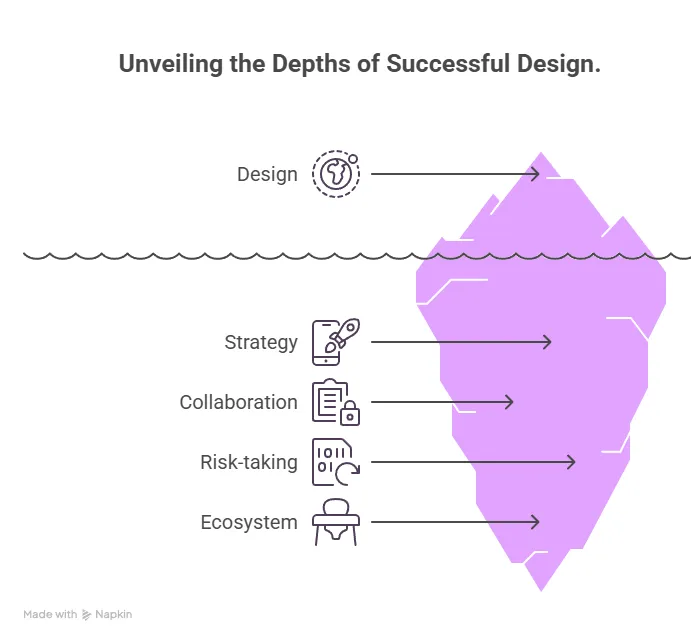
Positioning, audience insights, and business goals shape every visual decision. No "beautiful but irrelevant" work.
2. Collaborative co-creation
They run discovery workshops with your team. You don't just approve—you co-own the strategy. This builds internal buy-in.
3. Risk-taking backed by research
Strategic agencies push creative boundaries—but always test assumptions with data, prototypes, and user feedback.
4. Ecosystem thinking
They design for all touchpoints: product screens, marketing sites, pitch decks, swag. Consistency compounds.
Best Practices from Strategic Leaders

Run joint workshops weekly. Strategic agencies treat clients as teammates, not billable hours. You get exposure to their process.
Demand outcome KPIs upfront. Don't accept "brand refresh." Ask for "15% uplift in demo requests" or "reduce bounce rate by 20%."
Build for systems, not one-offs. Top agencies deliver living design systems + strategy playbooks your team can extend.
Plan for phase 2 from day 1. Strategic work compounds—next quarter's campaigns, product launches, hiring materials all flow from the same foundation.
Audit your assets quarterly. Strategic partners help you maintain consistency as you scale.
Proof from Great Design Studios
These studios prove strategic thinking elevates craft to business impact:
Pentagram: The Gold Standard
Pentagram operates as seven independent studios under one roof—each partner runs their practice like a mini-agency.
Key wins:
- Citibank rebrand: Simplified identity driving clarity and trust (measurable acquisition lift).
- Warner Bros. Discovery: Unified branding across 200+ channels.
- Mastercard: Evolved logo system supporting global expansion.
Pentagram doesn't take every project. They partner with leaders who want design as a growth lever, not decoration.
Sagmeister & Walsh: Emotional Impact
They specialize in brands that make people feel something. Their work for Citizen watches didn't just refresh visuals—it reignited emotional connection, driving loyalty.
IDEO: Human-Centered Strategy
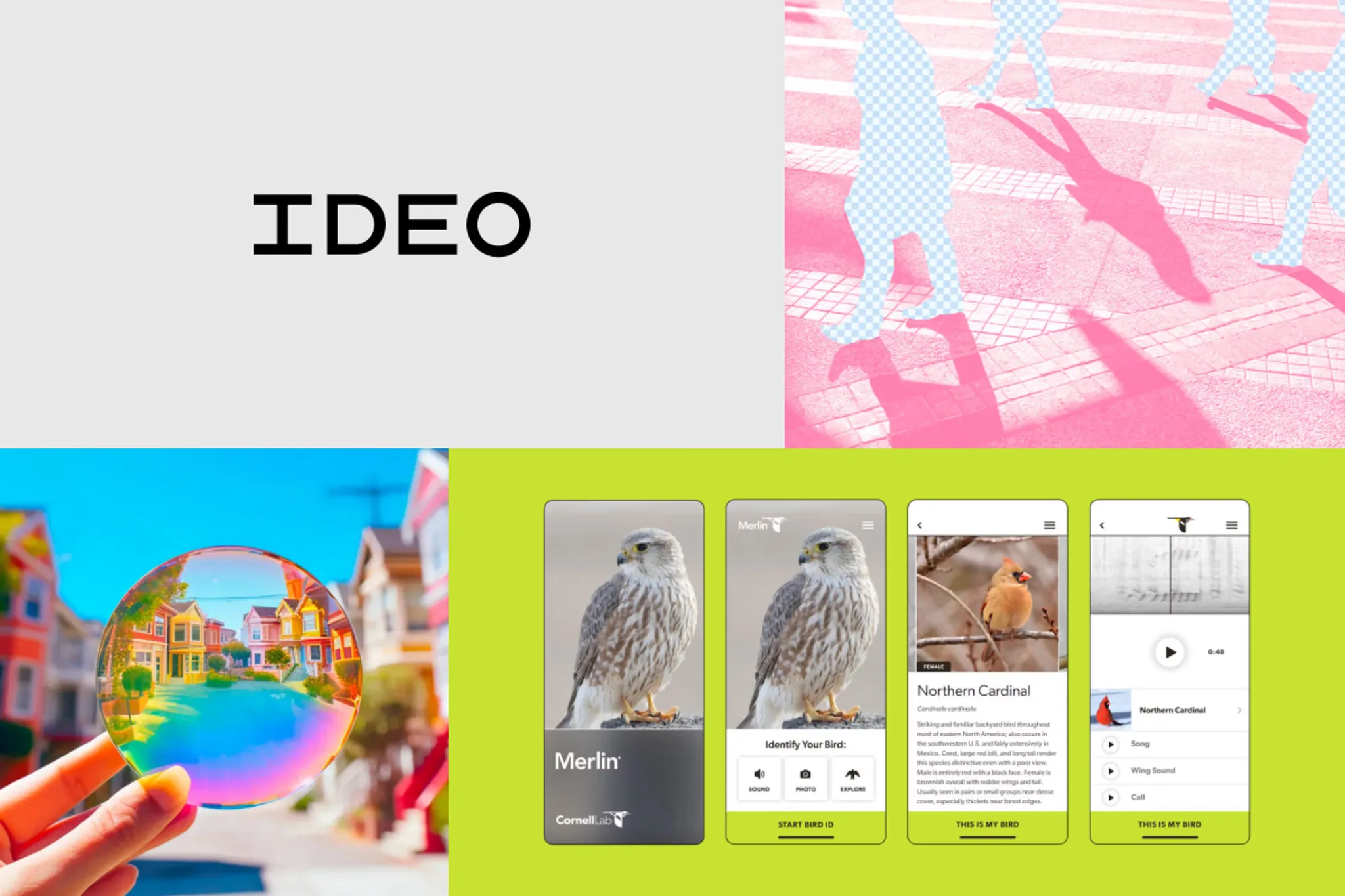
IDEO blends ethnography, strategy, and design. Their work with AirBnB redefined the entire host/guest experience—directly tied to marketplace growth.
The pattern: These aren't "design mills." They pick fights worth winning, measure success beyond aesthetics, and build for the long game.
Final Thoughts
If your design partner can't articulate how their work impacts your P&L, fire them. Strategic agencies don't create artifacts—they create competitive advantages.
Audit your current relationship today:
- Can they tie every deliverable to a business outcome?
- Do they push you to make harder, smarter decisions?
- Are they invested in your long-term success?
The gap between "beautiful design" and "strategic design" is the gap between surviving and dominating. Choose partners who help you win.
FAQs
- When should I hire a strategic agency over a studio?
When design needs to drive revenue, retention, or market position—not just refresh visuals. - How do I measure strategic design ROI?
Track brand perception shifts, conversion rates, customer NPS, and employee brand adoption pre/post. - Can startups afford strategic agencies?
Yes—many like Pentagram work with Series A/B companies. The ROI from aligned strategy pays for itself in 6–12 months. - What's the biggest mistake companies make?
Treating strategy as a checkbox. Real strategic work requires your active participation and willingness to change.


.svg)